
Neural Organoids
Neural organoids are three-dimensional (3D) in vitro culture systems derived from human pluripotent stem cells (hPSCs). They self-organize into structures that recapitulate select cellular, molecular, and cytoarchitectural features of the developing human nervous system. These neural organoids provide a more physiologically relevant in vitro system than traditional two-dimensional (2D) cultures for studying human neurodevelopment, disease mechanisms, and perturbations. They have important applications in studying:
- Human brain development and neurodevelopmental disorders, like autism
- Neurodegenerative diseases, such as Alzheimerā€™s disease and Parkinsonā€™s disease
- Epilepsy and related seizure disorders
- Neuropsychiatric disorders, including schizophrenia
- Motor neuron diseases, notably amyotrophic lateral sclerosis (ALS)
We've curated these resources to support your work with neural organoids, and to give you a glimpse into how these 3D neural models are being used by scientists in the field of neuroscience.
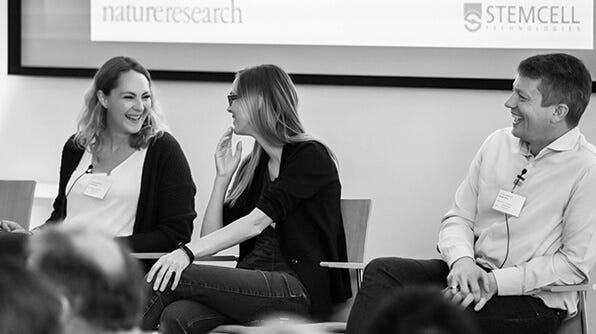
Organoids: Experts Talk Standardization at Nature Research Round Table
Global organoid experts gathered in London, UK to discuss the current state of the technology, protocol standardization, translation into patient care, nomenclature, and understanding what questions a given organoid culture can and can't answer.
Read Now >Neural Organoids
The human brain has fascinated scientists for centuries. Understanding its full capabilities and function is every neurobiologistā€™s dream; however, obtaining human brain tissue for experimental studies is difficult, for both practical and ethical reasons. Therefore, animals (mostly rodents) have traditionally been used as model organisms for neuroscience research, and for neurological disease and development research in particular.
Brain structure and development vary greatly between rodents and humans, however, and these animal models may not be fully representative of human disease pathology. Recent regulatory reforms are encouraging the qualification and use of new approach methodologies (NAMs), such as those based on human cell-based models and organoids, to improve the predictivity of translational research and reduce reliance on these traditional animal models. Researchers can obtain human neural cells by differentiating human pluripotent stem cells (hPSCs) in a relatively simple and cost-effective manner, paving the way for the development of physiologically relevant human models for drug discovery, cell therapy validation, and neurological disease research.
From 2D to 3D In Vitro Cultures
Traditionally, adult and embryonic neurons have been cultured using 2D tissue culture techniques. This reductionist approach has enabled scientists to identify key mechanistic pathways associated with relatively simple phenomena. Using simplified 2D neural cultures has enabled researchers to gain important insights into fundamental aspects of cell biology. However, because animal tissues, and the brain in particular, are extremely complex 3D arrangements of cells and extracellular matrices, 2D cell cultures are unable to fully represent complete tissues. Therefore, certain research questions, such as those relating to the structural development of neural tissues, cannot be addressed using a 2D cell culture system. In order to better model the human brain in vitro, researchers have developed 3D brain models that recapitulate the brainā€™s structural arrangement. Itā€™s important to note that compared to their established 2D counterparts, 3D cell culture systems are much more heterogeneous and complex, making them more challenging to master and analyze. Often a combination of 2D and 3D cell culture models can be used in tandem to answer research questions.
3D neural culture systems span a continuum of complexity and cellular composition, from relatively simple aggregates to highly organized organoid models, as described in the sections below:
Neurospheres: One of the earliest 3D neural culture systems developed was the neurosphere assay.1 Since its introduction, it has been widely used as a method to identify neural stem cells (NSCs) from the central nervous system (CNS).2-5 In the neurosphere assay, NSCs and neural progenitor cells (NPCs) are cultured in the absence of an adherent substrate. Single cells proliferate to form small clusters of cells, known as neurospheres, which grow in suspension. The multipotent cells that make up the neurospheres retain the capacity to differentiate into all of the main neural cell types of the CNS.1
Neural Aggregates: Neural aggregates These represent an intermediate 3D culture format that bridges pluripotent stem cell differentiation and more complex neural tissue models. Neurosphere-like neural aggregates are formed using pluripotent stem cells, usually by first forming an embryoid body (EB).6 EBs are 3D aggregates of pluripotent stem cells that represent an early stage of embryonic development. Forming EBs from human embryonic stem cell (hESC) or induced pluripotent stem cell (hiPSC) colonies is now a very common starting point in both directed and spontaneous differentiation protocols. In neural differentiation, CNS-type NPCs are generated from hESC/hiPSC cells using EB-based neural induction; however, monolayer-based neural induction protocols are becoming increasingly popular.7 The NPCs produced are then usually transitioned to 2D culture for further differentiation into neurons and glial cells. As such, neural aggregates are commonly used to study early neural induction, lineage specification, and cellā€“cell interactions under controlled 3D conditions.
Neurospheres and neural aggregates are useful 3D cell culture systems that can answer simple research questions; however, these systems are often enriched for neural stem and progenitor cells and typically lack the cellular diversity and structural organization of more advanced neural tissue models. In some applications, neural aggregates are intentionally generated with defined or mixed cell populations, enabling controlled studies of specific cell-type interactions and scalable assay development. To take the 3D culture system further, it is important to not only develop systems that contain the relevant neural cell types in the brain, but also to have them structured in a manner that represents the brainā€™s in vivo cortical layering. Cortical spheroids (often referred to as regionally patterned neural aggregates) and neural organoids are 3D brain models derived from hPSCs that have been shown to produce structures organized in a similar manner to the brain itself. The complexity of cellular organization and composition is modulated by either omitting or adding exogenous patterning factors. Adding patterning factors results in models of a specific brain region (for example, midbrain or forebrain). Omitting patterning factors results in a heterogeneous structure with areas representing multiple brain regions within one model, known as an unguided organoid.
Unguided Organoids: Up until the publication of Lancaster and Knoblichā€™s cerebral organoid model,8 no one had generated single neural organoids that represented several different brain regions. Unguided organoids, sometimes referred to as cerebral organoids, are cultured under conditions that promote self-organization and self-patterning. The aggregates are embedded in an extracellular matrix (ECM), CorningĀ® MatrigelĀ®, that improves the polarization of the neural progenitors and supports the outgrowth of large neuroepithelial buds. The buds then spontaneously develop into various brain regions in the absence of exogenous patterning factors. These regions contain ā€œā€˜layersā€ā€™ of neurons that resemble the organization of the developing human brain. Culturing cerebral organoids in smaller, individually maintained volumes allows greater control over organoid number and size, reducing variability compared to traditional large-volume bioreactor systems, and improving reproducibility.
Guided Organoids: Sometimes referred to as regionalized or region-specific neural organoids, guided organoids are generated by directing pluripotent stem cells toward a defined neural identity using precisely timed combinations of morphogens and small-molecule inhibitors.11 Unlike unguided organoids, which rely primarily on intrinsic self-organization to produce mixed brain-region identities, guided organoids use patterning cues to restrict fate and promote the emergence of a single, targeted brain region. Early work from PaÅŸca and colleagues established robust, chemically defined protocols for generating cortical spheroids and later cortical organoids that display consistent dorsal forebrain identity and contain progenitor zones, expanding radial glia, and glutamatergic neurons organized in laminar-like arrangements.11 PaČ™caā€™s group also developed protocols for generating other region-specific organoids, such as ventral forebrain,9,11 midbrain,10,11,12 and spinal cord organoids.12,13 These guided organoids exhibit predictable developmental trajectories and more mature electrophysiological properties compared to unguided organoids and earlier 3D neural culture models. Importantly, PaÅŸcaā€™s work further demonstrated that these region-specific organoids can be combined to form assembloids, enabling the study of neuro-immune interactions, neuronal migration, synaptic integration, and disease-relevant circuit-level interactions.14

How to Generate AssemBloidsā„¢ from hPSC-Derived Dorsal and Ventral Forebrain Organoid Co-Cultures
Learn how to generate functionally integrated dorsal and ventral forebrain assembloids with ³§°Õ·”²Ń»å¾±“Ś“Śā„¢.
Modeling Neurological Disease and Disorders with Neural Spheroids and Organoids
Since human brain tissue is difficult to obtain and established animal models can only model the human brain to a limited extent, hPSC-derived models are rapidly becoming an essential tool for human neurological disease modeling. iPSCs have already been used in many studies to model neurological disease and disorders.15-26 These early studies relied heavily on 2D neuronal cultures derived from iPS cells, which remain valuable for scalable assays and mechanistic studies; however, 3D neural organoids offer enhanced cellular diversity, spatial organization, and developmental context, enabling more physiologically relevant disease modeling. Neural organoids, including unguided (cerebral) organoids, guided region-specific organoids, and assembloids, are widely being used to investigate neurodevelopmental disorders, neurodegenerative diseases, and therapeutic responses in a human-relevant setting.
Neurodevelopmental and Neuropsychiatric Disorders
Neural organoids have been particularly impactful in modeling neurodevelopmental and neuropsychiatric disorders for which disease onset occurs during early brain development and human-specific mechanisms play a central role. In the first paper that described unguided development of cerebral organoids, the researchers used the system to study microcephaly.8 The organoids developed from patient-derived iPS cells were smaller, reminiscent of the reduced brain sizes observed in patients with microcephaly. Because of the potential link between the Zika virus and infants with microcephaly,27 research into Zika has increased significantly using neural organoids as a useful tool to study the virusā€™ effect on brain development. This work established neural organoids as a powerful system for linking genetic mutations to developmental phenotypes.
Subsequent studies leveraged both unguided and guided forebrain organoids to investigate Zika virus-induced microcephaly, revealing preferential infection of neural progenitor cells, impaired neurogenesis, and reduced tissue growth.10 These findings provided mechanistic insights that would have been difficult to obtain using animal models alone and demonstrate the utility of neural organoids for studying neurotropic infections.
Neuropsychiatric diseases, such as autism spectrum disorder (ASD), schizophrenia, and bipolar disorder, have been notoriously hard to model since they affect cognitive and behavioral traits that are uniquely human.28 Using a 3D cell culture model, guided forebrain organoids were generated from patients with idiopathic ASD.21 When the organoids were compared with organoids generated from a patientā€™s unaffected relatives, the ASD-derived organoids showed an accelerated cell cycle, an increase in synapse numbers, and an overproduction of GABAergic neurons due to an overexpression of FOXG1. The authors speculated that the dysregulated gene expression of FOXG1 could be used as a potential biomarker for ASD in the future.
More broadly, guided organoids and assembloids have enabled investigation of processes such as cell migration and circuit assembly,14 features that are challenging to study in vivo and in 2D systems. These approaches are increasingly being combined with electrophysiology, single-cell and spatial transcriptomics, and functional imaging to link molecular phenotypes with circuit-level dysfunction.29
Neurodegenerative Diseases
Although neural organoids most closely resemble early developmental stages in the brain, advances in long-term culture, metabolic maturation,30 and cellular diversity have expanded their use in neurodegenerative disease research.31
Guided midbrain organoids are now widely used to model Parkinsonā€™s disease,32 recapitulating key features such as dopaminergic neuron vulnerability, Ī±-synuclein pathology, and mitochondrial dysfunction. Similarly, neural organoids and assembloids incorporating astrocytes and microglia have been applied to study Alzheimerā€™s disease,33,34 enabling investigation of amyloid-Ī² accumulation, tau pathology, neuroinflammation, and neuron-glia interactions in a human-relevant context. Patient-specific iPSC-derived organoids allow researchers to examine genetic risk factors and disease heterogeneity, supporting mechanistic studies and target validation.34
While challenges remain, including achieving adult-like maturation, neural organoids are increasingly viewed as a complementary platform that bridges the gap between 2D cultures, animal models, and human clinical studies.
Infectious Diseases
Neural organoids are also being explored as human-relevant platforms for the study of infectious diseases. hPSC-derived unguided cerebral organoids have been used to model central nervous system infection by Nipah virus, a highly pathogenic, neurotropic virus. Importantly, this work extends the application of neural organoids beyond traditional neurodevelopmental and disease modeling, demonstrating that these systems can be applied in high-containment settings to address complex, human-specific questions.35 This study highlights the potential of neural organoids as components of new approach methodologies (NAMs) to support medical countermeasure development and reduce reliance on animal testing in high-containment research settings.

Using Human Pluripotent Stem Cell-Derived Neural Organoids for Disease Modeling
Learn about the ³§°Õ·”²Ń»å¾±“Ś“Śā„¢ neural organoid portfolio for the generation of unguided and guided neural organoids from human pluripotent stem cells for disease modeling.
Drug Discovery Using Neural Organoids
In addition to disease modeling, neural organoids are increasingly being used as human-relevant platforms for efficacy testing and safety assessment. As key components of some new approach methodologies (NAMs), the three-dimensional architecture, cellular diversity, and functional neuronal networks represented in organoids enable the evaluation of drug responses in ways that are not possible using traditional 2D cultures.
Neural organoids exhibit spontaneous and synchronized electrical activity that can be measured using techniques such as microelectrode arrays (MEAs). These functional readouts provide quantitative endpoints for assessing how compounds modulate neural network activity, making them well suited for identifying potential unintended or off-target adverse effects on the central nervous system, often early in development, as well as for intentionally modeling neurophysiology and disease-relevant neural function.
Assessing Neurotoxicity and Seizure Liability
Neural organoids have been shown to respond in a dose-dependent manner to both pro-convulsant and anti-epileptic compounds, producing electrophysiological signatures that resemble in vivo brain activity. For example, treatment with seizure-inducing compounds results in sustained, high-frequency network oscillations, while treatment with anti-epileptic drugs suppresses (or alters) these activity patterns in a mechanism-dependent manner. These responses support the use of neural organoids as predictive in vitro systems for evaluating seizure liability and neurotoxicity of putative therapeutics.36
Mechanistic Insights and Molecular Profiling
Beyond functional readouts, neural organoids can also be assayed with transcriptomic and molecular approaches to uncover mechanisms of drug-induced neurotoxicity. Exposure to neurotoxic compounds has been shown to induce widespread changes in gene expression related to ion channel function, synaptic signaling, and neuronal survival pathways. These molecular insights complement electrophysiological data and help link drug-induced functional changes to underlying biological mechanisms, supporting both target validation and safety assessment.37
Advancing Drug Discovery with New Approach Methodologies
Building on these functional and molecular insights, neural organoids are increasingly being used to develop potential drug discovery workflows. Recent work using patient-derived cortical organoids and forebrain assembloids demonstrated that antisense oligonucleotide (ASO) modalities could rescue disease-relevant electrophysiological, molecular, and cellular phenotypes associated with Timothy syndrome, a severe neurodevelopmental disorder. Importantly, this study integrated in vitro organoid assays with in vivo validation using transplanted human organoids, illustrating how organoid-based platforms can support therapeutic discovery in contexts where traditional animal models do not fully capture human disease biology.38

Phenotyping Midbrain Organoids and Neurons for Studying Parkinsonā€™s Disease and Therapeutic Discovery
Learn from Dr. Tom Durcan about how midbrain organoids can be combined with automated high-content imaging and single-cell flow cytometry workflows to profile cells at the single-cell level.
Future Directions
As neural organoid technologies mature, the field is increasingly focused on improving the biological fidelity, reproducibility, and translational relevance of these model systems, while establishing clear standards for experimental design, data interpretation, and communication. Many neural organoid studies are using single-cell transcriptomic, epigenomic, and spatial profiling to benchmark these in vitro models against reference atlases of human brain development. Applying these more rigorous assessments of cell identity, developmental stage, and regional specification helps enable more transparent interpretations of experimental outcomes and their limitations, solidifying the utility of neural organoids as components of NAMs.
While neural organoids are able to more robustly model early developmental processes, achieving increased levels of maturity remains an active area of research. Advancing long-term culture conditions, metabolic support, and physiological levels of cellular activity are enabling extended culture durations and more mature neural phenotypes.
Neural organoids have begun to and are expected to increasingly incorporate greater model complexity. Including astrocyte, oligodendrocyte, microglia, and vascular-associated cell populations allow for more accurate modeling of neuron-glia interactions, immune responses, and metabolic support functions that are critical in understanding both development and disease.
As neural organoid platforms continue to become more sophisticated, their potential translational applications continue to expand. These include patient-specific disease modeling, target validation, and phenotypic drug screening. However, translating findings from neural organoids to clinical contexts requires careful consideration of model limitations, appropriate validation, and integration with complementary experimental systems. The field continues to engage with ethical, legal, and social considerations, particularly as neural organoids achieve greater complexity and functional activity. Responsible research practices, including accurate public communication, avoidance of anthropomorphic language, and adherence to established ethical guidelines are essential for supporting sustainable progress in this exciting field.
References
- Reynolds BA & Weiss S. (1992) Generation of neurons and astrocytes from isolated cells of the adult mammalian central nervous system. Science 255(5052): 1707ā€“10.
- Tropepe V et al. (1999) Distinct neural stem cells proliferate in response to EGF and FGF in the developing mouse telencephalon. Dev Biol 208(1): 166ā€“88.
- Tropepe V et al. (2001) Direct neural fate specification from embryonic stem cells: A primitive mammalian neural stem cell stage acquired through a default mechanism. Neuron 30(1): 65ā€“78.
- Conti L et al. (2005) Niche-independent symmetrical self-renewal of a mammalian tissue stem cell. PLoS Biol 3(9): 1594ā€“606.
- Pollard SM et al. (2008) Fibroblast growth factor induces a neural stem cell phenotype in foetal forebrain progenitors and during embryonic stem cell differentiation. Mol Cell Neurosci 38(3): 393ā€“403.
- Zhang SC et al. (2001) In vitro differentiation of transplantable neural precursors from human embryonic stem cells. Nat Biotechnol 19(12): 1129ā€“33.
- Chambers SM et al. (2009) Highly efficient neural conversion of human ES and iPS cells by dual inhibition of SMAD signaling. Nature Biotechnol 27(3): 275
- Lancaster MA et al. (2013) Cerebral organoids model human brain development and microcephaly. Nature 501(1): 373ā€“9.
- Birey F et al. (2017) Assembly of functionally integrated human forebrain spheroids. Nature 545(7652): 54ā€“9.
- Jo J et al. (2016) Midbrain-like organoids from human pluripotent stem cells contain functional dopaminergic and neuromelanin-producing neurons. Cell Stem Cell. 19(2): 248ā€“57.
- Qian X et al. (2016) Brain-region-specific organoids using mini-bioreactors for modeling ZIKV exposure. Cell 165(5): 1238ā€“54.
- Yoon SJ et al. (2018) Reliability of human cortical organoid generation. Nat Methods 16(1): 75ā€“8.
- Andersen J et al. (2020) Generation of functional human 3D cortico-motor assembloids. Cell 183(7): 1913ā€“29.e26.
- PaČ™ca SP. (2019) Assembling human brain organoids. Science 363(6423): 126ā€“7.
- Brennand KJ et al. (2011) Modelling schizophrenia using human induced pluripotent stem cells. Nature 473(7346): 221ā€“5.
- Marchetto MCNM et al. (2010) A model for neural development and treatment of Rett syndrome using human induced pluripotent stem cells. Cell 143(4): 527ā€“39.
- Mertens J et al. (2015) Differential responses to lithium in hyperexcitable neurons from patients with bipolar disorder. Nature 527(7576): 95ā€“9.
- Wen Z et al. (2014) Synaptic dysregulation in a human iPS cell model of mental disorders. Nature 515(7527): 414ā€“8.
- Yoon KJ et al. (2014) Modeling a genetic risk for schizophrenia in iPSCs and Mice reveals neural stem cell deficits associated with adherens junctions and polarity. Cell Stem Cell 15(1): 79ā€“91.
- Shcheglovitov A et al. (2013) SHANK3 and IGF1 restore synaptic deficits in neurons from 22q13 deletion syndrome patients. Nature 503(7475): 267ā€“71.
- Mariani J et al. (2015) FOXG1-dependent dysregulation of GABA/glutamate neuron differentiation in autism spectrum disorders. Cell 162(2): 375ā€“90.
- Griesi-Oliveira K et al. (2015) Modeling non-syndromic autism and the impact of TRPC6 disruption in human neurons. Mol Psychiatry 20(11): 1350ā€“65.
- Muotri AR et al. (2010) L1 retrotransposition in neurons is modulated by MeCP2. Nature 468(7322): 443.
- Liu J et al. (2012) Signaling defects in iPSC-derived fragile X premutation neurons. Hum Mol Genet 21(17): 3795ā€“805.
- PaÅŸca SP et al. (2011) Using iPSC-derived neurons to uncover cellular phenotypes associated with Timothy syndrome. Nat Med 17(12): 1657ā€“62.
- Tian Y et al. (2014) Alteration in basal and depolarization induced transcriptional network in iPSC derived neurons from Timothy syndrome. Genome Med 6(10): 75.
- Heymann DL et al. (2016) Zika virus and microcephaly: Why is this situation a PHEIC? Lancet 387(10020): 719ā€“21.
- Quadrato G et al. (2016) The promises and challenges of human brain organoids as models of neuropsychiatric disease. Nat Med 22(11): 1220ā€“8.
- Yokoi R et al. (2025) Advanced neural activity mapping in brain organoids via field potential imaging with ultra-high-density CMOS microelectrode arrays. Front Neurosci 19: 1634582.
- Huang J et al. (2025) Navigating brain organoid maturation: From benchmarking frameworks to multimodal bioengineering strategies. Biomolecules 15(8): 1118.
- Wang W et al. (2026) Brain organoids in neurodegenerative disease modeling: Advances, applications and future perspectives. Mol Neurobiol 63: 142.
- Cui X et al. (2024) Human midbrain organoids: A powerful tool for advanced Parkinsonā€™s disease modeling and therapy exploration. npj Parkinsonā€™s Dis 10: 189.
- Fernandes S et al. (2024) Modeling Alzheimerā€™s disease using human cell-derived brain organoids and 3D models. Front Neurosci 18: 1434945.
- Cerneckis J et al. (2023) Pushing the boundaries of brain organoids to study Alzheimerā€™s disease. Trends Mol Med 29(8): 659ā€“72.
- Worwa G et al. (2025) Human organoids for Risk Group 4 virus research: a new frontier in investigating Nipah virus infection of the central nervous system. J Virol 99(11): e0107025.
- Yokoi R et al. (2021) Analysis of signal components < 500 Hz in brain organoids coupled to microelectrode arrays: A reliable test-bed for preclinical seizure liability assessment of drugs and screening of antiepileptic drugs. Biochem Biophys Rep 28: 101148.
- Liu Z et al. (2023) Transcriptomic profiling of tetrodotoxin-induced neurotoxicity in human cerebral organoids. Mar Drugs 21(11): 588.
- Chen X, Birey F, Li MY et al. (2024) Antisense oligonucleotide therapeutic approach for Timothy syndrome. Nature 628: 818ā€“25.

