
Neural Organoids
Neural organoids are three-dimensional (3D) in vitro culture systems derived from human pluripotent stem cells (hPSCs). They self-organize into structures that recapitulate select cellular, molecular, and cytoarchitectural features of the developing human nervous system. These neural organoids provide a more physiologically relevant in vitro system than traditional two-dimensional (2D) cultures for studying human neurodevelopment, disease mechanisms, and perturbations. They have important applications in studying:
- Human brain development and neurodevelopmental disorders, like autism
- Neurodegenerative diseases, such as Alzheimer’s disease and Parkinson’s disease
- Epilepsy and related seizure disorders
- Neuropsychiatric disorders, including schizophrenia
- Motor neuron diseases, notably amyotrophic lateral sclerosis (ALS)
We've curated these resources to support your work with neural organoids, and to give you a glimpse into how these 3D neural models are being used by scientists in the field of neuroscience.
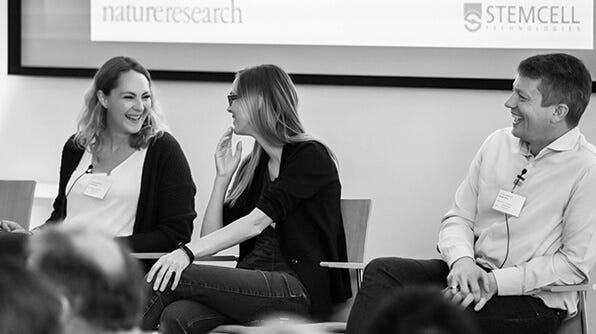
Organoids: Experts Talk Standardization at Nature Research Round Table
Global organoid experts gathered in London, UK to discuss the current state of the technology, protocol standardization, translation into patient care, nomenclature, and understanding what questions a given organoid culture can and can't answer.
Read Now >Training Programs

On-Demand Course: Applying the ISSCR Standards for Research
Learn to confidently apply the ISSCR Standards for Human Stem Cell Use in Research to your projects with this free virtual course developed in partnership with the International Society for Stem Cell Research (ISSCR).
*Neither the ISSCR nor the ISSCR Standards endorse any commercial products or services.

