
Directed Differentiation and Disease Modeling
Human pluripotent stem cell (hPSC)-based models hold tremendous potential for studying human development and disease. Directed differentiation and disease modeling are two key methods for using hPSCs in drug discovery, cell therapy validation, and disease research.
- Directed differentiation of hPSCs refers to the in vitro differentiation of these cells toward a specific cell type through defined cell culture conditions. Directed differentiation is achieved by the addition of specific growth factors or small molecules.
- Disease modeling is an approach to study diseases using cells that display relevant pathological features. Disease modeling using hPSCs can be achieved by reproduction of a disorder-associated mutation with gene editing, isolation of embryonic stem cells (ESCs) from affected blastocysts; or generation of induced pluripotent stem cells (iPSCs) from patients鈥� somatic cells.
Explore the resources below to support your disease modeling studies using hPSCs.
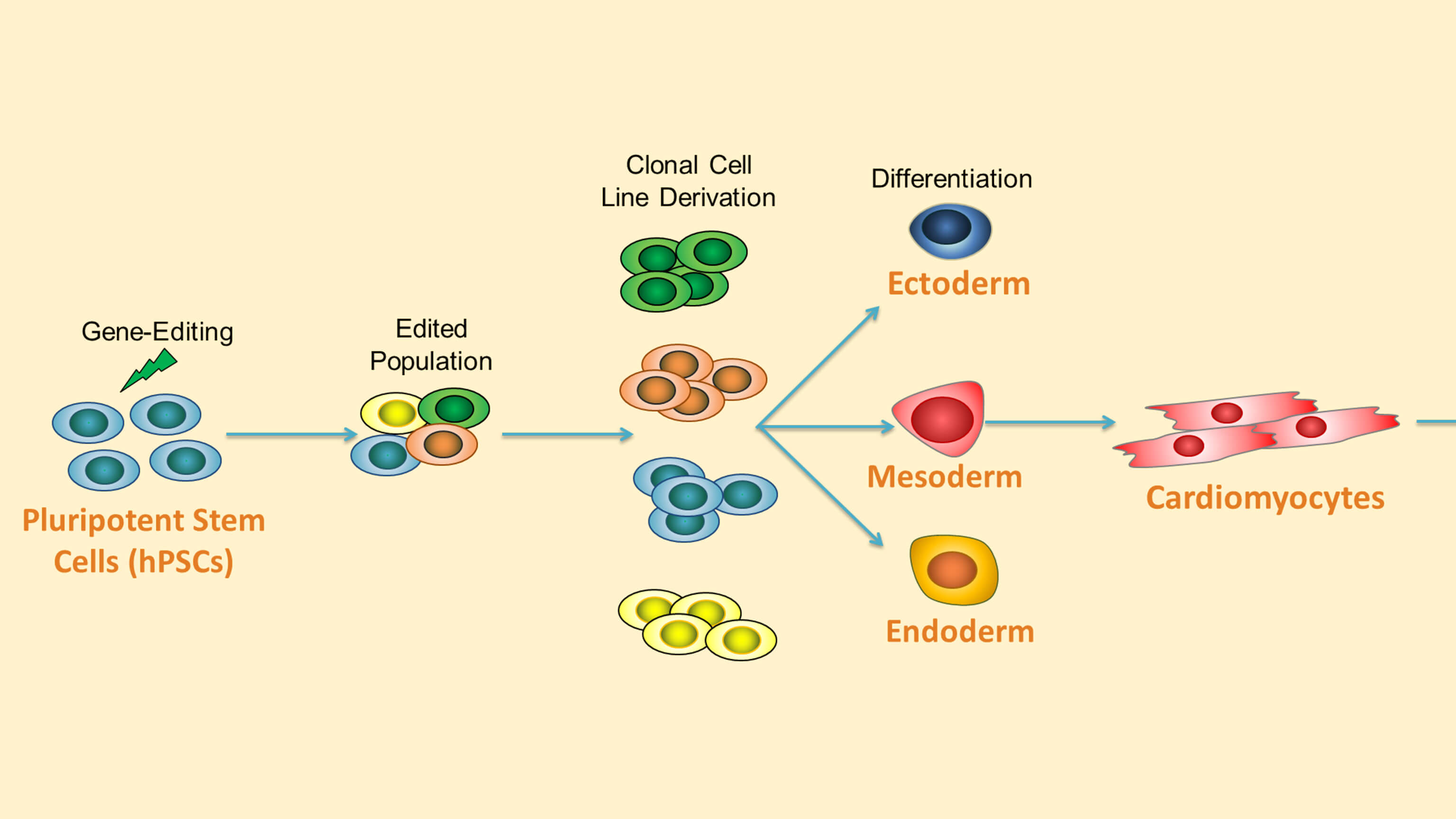
Highly Efficient Single-Cell Human Pluripotent Stem Cell Cloning and Robust Cardiomyocyte Differentiation
Recorded during the ISSCR 2017 Innovation Showcase in Boston, this tutorial highlights human pluripotent stem cell (hPSC) gene-editing and cardiac differentiation workflows using the CloneR鈩� supplement and the STEMdiff鈩� Cardiomyocyte System. This talk is presented 海角破解版鈥� Dr. Adam Hirst, scientist for pluripotent stem cell biology, and Dr. Vincenzo Macri, senior scientist for cardiomyocyte stem cell biology.
View Now >- Page Previous
- Page 1
- Page 2
- Page 3
- You're currently reading page 4
- Resource Type
-
- Video 27 items
- Webinar 11 items
- Product Type
-
- Cell Culture Media and Supplements 31 items
- Instruments and Software 1 item
- Primary and Cultured Cells 3 items
- Tissue and Cell Culture Dissociation Reagents 1 item
- Area of Interest
-
- 2 items
- Cancer 1 item
- Cell Line Development 8 items
- Cell Therapy Development 6 items
- Disease Modeling 19 items
- Drug Discovery and Toxicity Testing 15 items
- Endothelial Cell Biology 1 item
- Epithelial Cell Biology 3 items
- Immunology 1 item
- Infectious Diseases 1 item
- Metabolism 1 item
- Neuroscience 11 items
- Organoids 8 items
- Respiratory Research 1 item
- Stem Cell Biology 25 items
- Transplantation Research 1 item
- Brand
-
- 0 1 item
- AggreWell 3 items
- BrainPhys 4 items
- CloneR 1 item
- HepatiCult 1 item
- IntestiCult 1 item
- Maestro 1 item
- Matrigel 1 item
- STEMdiff 17 items
- TeSR 8 items
- Cell Type
-
- 1 item
- Airway Cells 2 items
- Astrocytes 3 items
- Brain Tumor Stem Cells 1 item
- Cancer Cells and Cell Lines 1 item
- Cardiomyocytes, PSC-Derived 6 items
- Dopaminergic Neurons 1 item
- Endoderm, PSC-Derived 4 items
- Endothelial Cells 1 item
- Endothelial Cells, PSC-Derived 4 items
- Epithelial Cells 2 items
- Epithelial Cells, PSC-Derived 4 items
- Erythroid Cells 1 item
- Hematopoietic Cells, PSC-Derived 5 items
- Hematopoietic Stem and Progenitor Cells 2 items
- Hepatic Cells 1 item
- Hepatic Cells, PSC-Derived 3 items
- Intestinal Cells 2 items
- Kidney Cells 1 item
- Megakaryocytes 1 item
- Mesenchymal Cells, PSC-Derived 3 items
- Mesoderm, PSC-Derived 3 items
- Microglia 1 item
- NK Cells 1 item
- Neural Cells, PSC-Derived 15 items
- Neural Stem and Progenitor Cells 8 items
- Neurons 6 items
- Pluripotent Stem Cells 32 items
- Renal Cells 1 item
- Tumor Cells 2 items

