
Neurological Disease Modeling
Due to the difficulty in obtaining human brain tissue for experimental studies, animal models have traditionally been popular tools for neurological disease modeling and therapeutic evaluation. In recent years, however, researchers have begun using induced pluripotent stem cells (iPSCs) to generate more representative models for studying human neurological disease. These iPSC-based models, including iPSC-derived neurons, glia, neural organoids, and co-cultures, hold tremendous potential for drug discovery applications and studying human neurological disease. Researchers can now generate patient-specific differentiated cell types, bridging the translational gap between studies using animal models and clinical research.
We’ve created these resources to help you with your research in neurological disease modeling and drug discovery, and to give you a taste of what others are doing in the field.
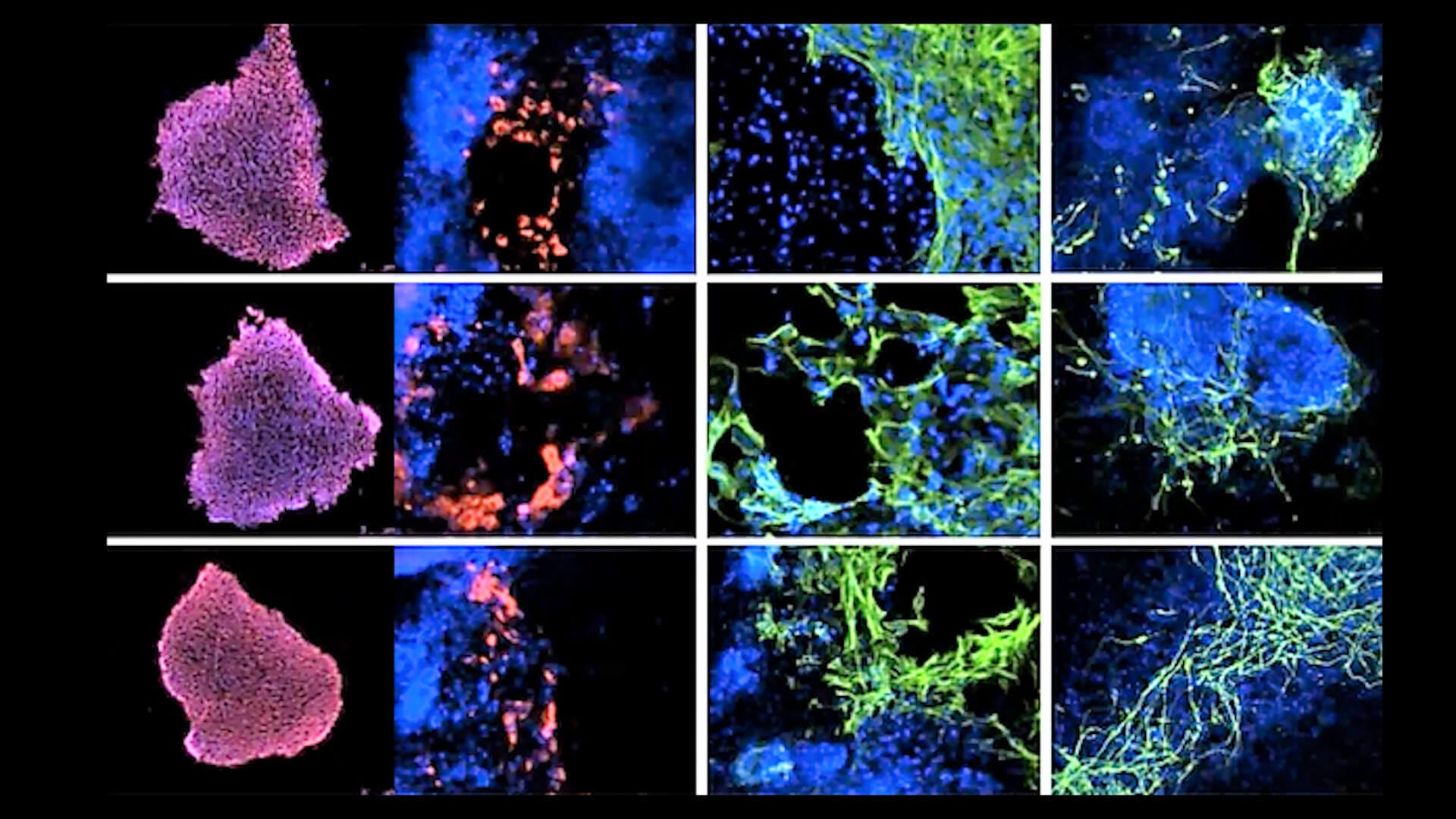
Modeling Genetic Epilepsies with Induced Pluripotent Stem Cells
In this webinar, Dr. Andrew Tidball discusses current and potential uses of iPS cells for modeling epilepsies, how to develop different iPS cell-based model systems, as well as the key advantages and drawbacks of using these model systems.
View Now >- Videos & Webinars
- Wallcharts
- Interviews & Podcasts
- Tech Tips & Protocols
- Training
- Scientific Posters
Training Programs

On-Demand Course: Applying the ISSCR Standards for Research
Learn to confidently apply the ISSCR Standards for Human Stem Cell Use in Research to your projects with this free virtual course developed in partnership with the International Society for Stem Cell Research (ISSCR).
*Neither the ISSCR nor the ISSCR Standards endorse any commercial products or services.
- Resource Type
-
- On-Demand Training 1 item
- Product Type
-
- Training and Education 1 item
- Area of Interest
-
- Cell Therapy Development 1 item
- Disease Modeling 1 item
- Organoids 1 item
- Stem Cell Biology 1 item
- Brand
-
- TeSR 1 item
- Cell Type
-
- Brain Tumor Stem Cells 1 item
- Cardiomyocytes, PSC-Derived 1 item
- Endoderm, PSC-Derived 1 item
- Endothelial Cells, PSC-Derived 1 item
- Epithelial Cells, PSC-Derived 1 item
- Hematopoietic Cells, PSC-Derived 1 item
- Hematopoietic Stem and Progenitor Cells 1 item
- Hepatic Cells, PSC-Derived 1 item
- Mesenchymal Cells, PSC-Derived 1 item
- Mesenchymal Stem and Progenitor Cells 1 item
- Mesoderm, PSC-Derived 1 item
- Myogenic Stem and Progenitor Cells 1 item
- Neural Cells, PSC-Derived 1 item
- Neural Stem and Progenitor Cells 1 item
- Pluripotent Stem Cells 1 item

